Replace the tub or the whole surround
A standard alcove tub is set into a three-walled space and tiled in. Swapping just the tub means removing at least the bottom rows of wall tile, so most replacements include new tile or a new wall surround as well. If the wall tile is in good shape and you can find a match, a contractor may be able to keep the upper walls. More often, replacing the tub is a good moment to redo the whole surround and the valve.
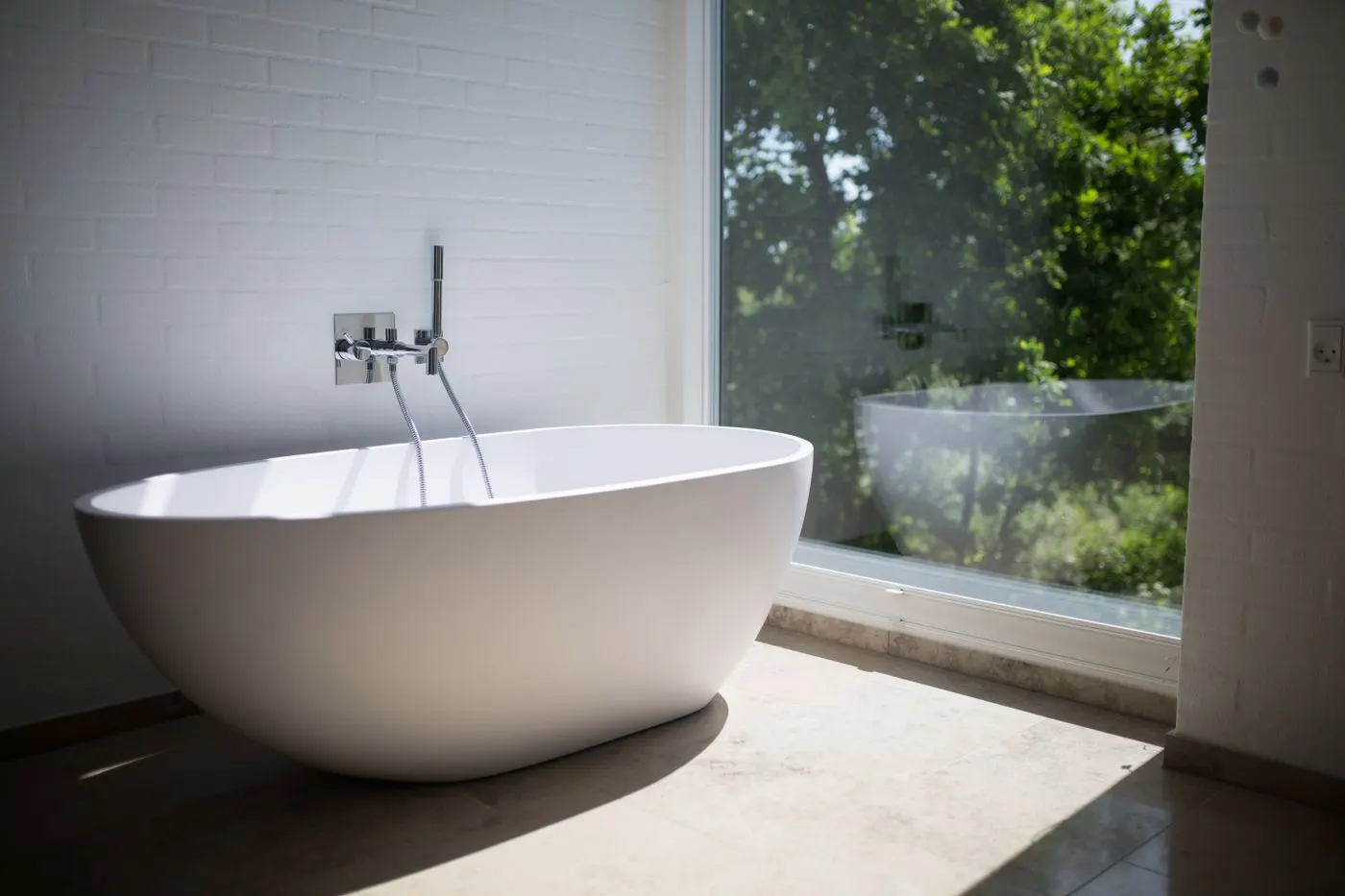
Types of tubs
Most alcove tubs are 60 inches long and come in enameled steel, acrylic or cast iron. Acrylic is light and warm to the touch. Cast iron holds heat and lasts a long time but weighs a lot and may need a floor check. Soaking tubs are deeper. Freestanding tubs sit away from the walls, need floor space around them and usually need a floor-mounted or wall-mounted filler, which adds plumbing work.
- Alcove: the most common, fits a standard 5-foot space
- Drop-in: set into a tiled deck
- Soaking: deeper water, sometimes larger footprint
- Freestanding: needs space and its own filler
Getting the old tub out
Older Ossining houses often still have their original cast iron tubs. They can weigh several hundred pounds, so contractors typically break them up in place. Steel and acrylic tubs come out whole. With the tub gone, the floor framing is finally visible, and it often shows damage from years of small leaks at the drain or overflow.
Getting a new tub in
A new tub has to fit through the doors and up the stairs. In older homes with narrow stairways and tight turns, that can rule out some models. Measure the path before you order, or let the contractor check. Some acrylic tubs are designed to flex slightly for tight spaces.
Refinishing instead
If an old cast iron tub is sound but stained or chipped, refinishing can be an option. It costs less than replacement but does not last as long as the original enamel. A contractor can tell you whether it is worth considering.
Request an estimate
Ask about the valve while the wall is open. Older two- and three-handle valves can be replaced with a single pressure-balancing valve that protects against sudden hot or cold water when someone flushes a toilet. It is far easier to swap during a tub replacement than later, and it is a good moment to add a handheld shower on a slide bar.
Use the estimate form and choose bathtub replacement. Tell us the tub type you have now and the one you want. A local contractor will reach out to check the space and give you a price.
Tub replacement costs in Westchester
Published ranges from Trusted Local Contractors. Not quotes.
| Item | Typical range |
|---|---|
| Alcove tub replacement, installed | about $800 to $2,000 |
| Freestanding tub faucet | about $400 to $3,000 |
| Added plumbing for a freestanding tub | about $500 to $1,500 |
| Porcelain wall tile around the tub, installed | about $15 to $50 per sq ft |
Rounded published Westchester ranges, not quotes. New tile, valve replacement and floor repairs add to the total.
Sources: Trusted Local Contractors
Questions homeowners ask
How much does it cost to replace a bathtub?
Trusted Local Contractors puts an alcove tub replacement in Westchester at about $800 to $2,000 installed. New wall tile, a new valve and any floor repairs are extra.
Can a tub be replaced without redoing the tile?
Sometimes, if the lower tile can be removed and replaced with a close match. Most replacements include new tile or a new surround because the old tile is damaged during removal.
Is a cast iron tub worth it?
Cast iron holds heat and lasts, but it is heavy and costs more to install. Acrylic is lighter and easier to get into older houses with tight stairs.
Other services
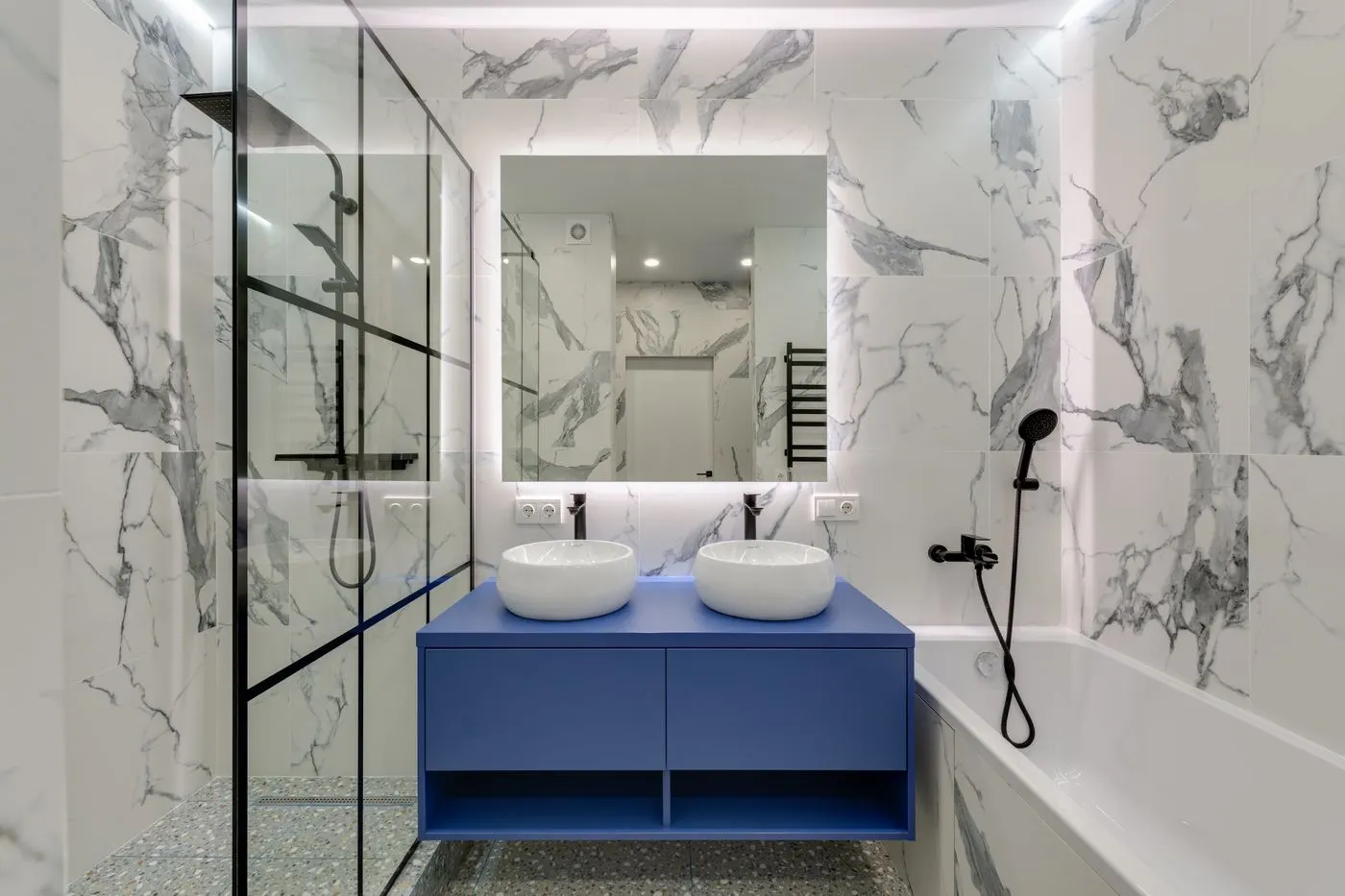
Bathroom remodeling
Full gut renovations and layout changes, start to finish.
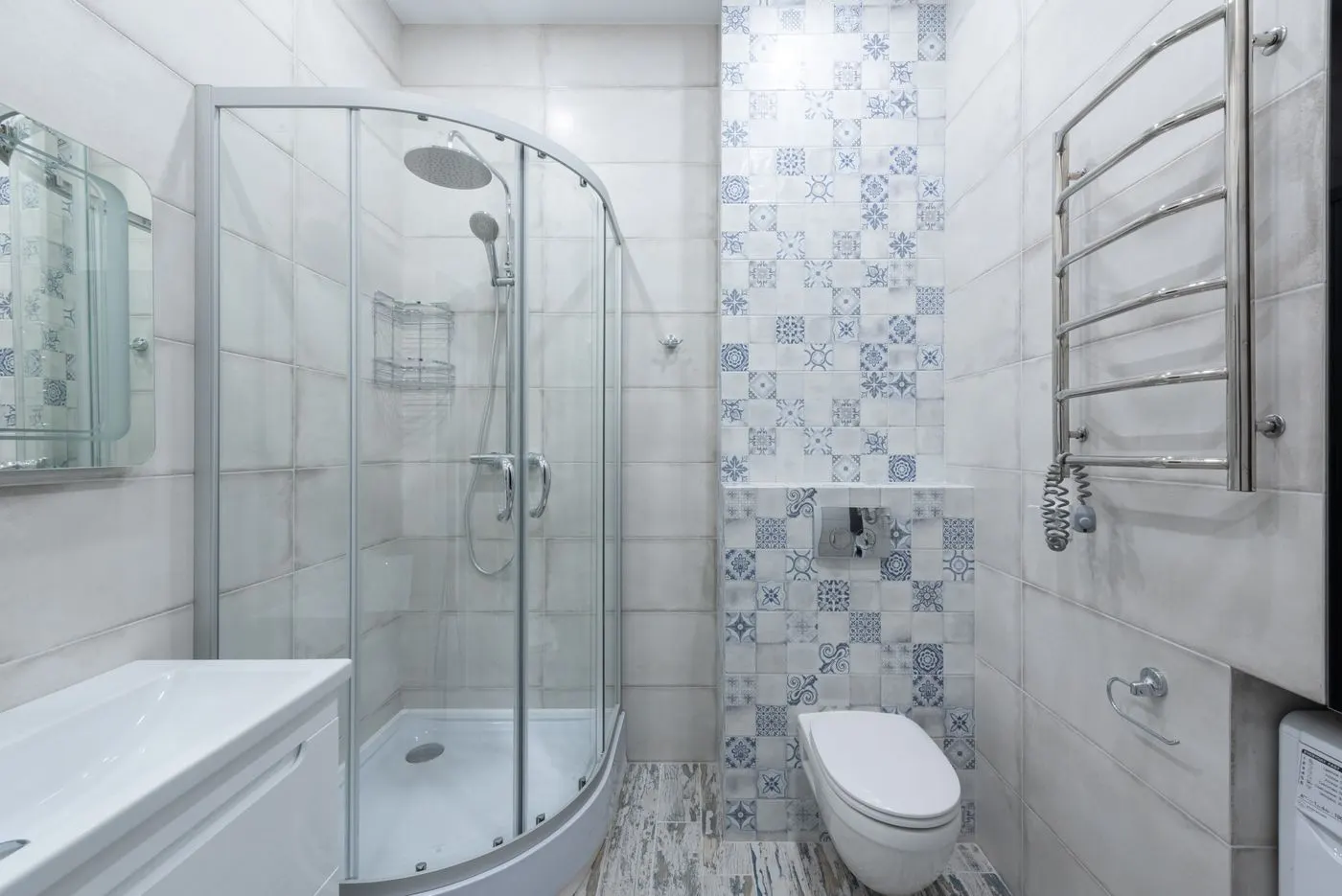
Walk-in showers
Tiled walk-in showers and tub to shower conversions.
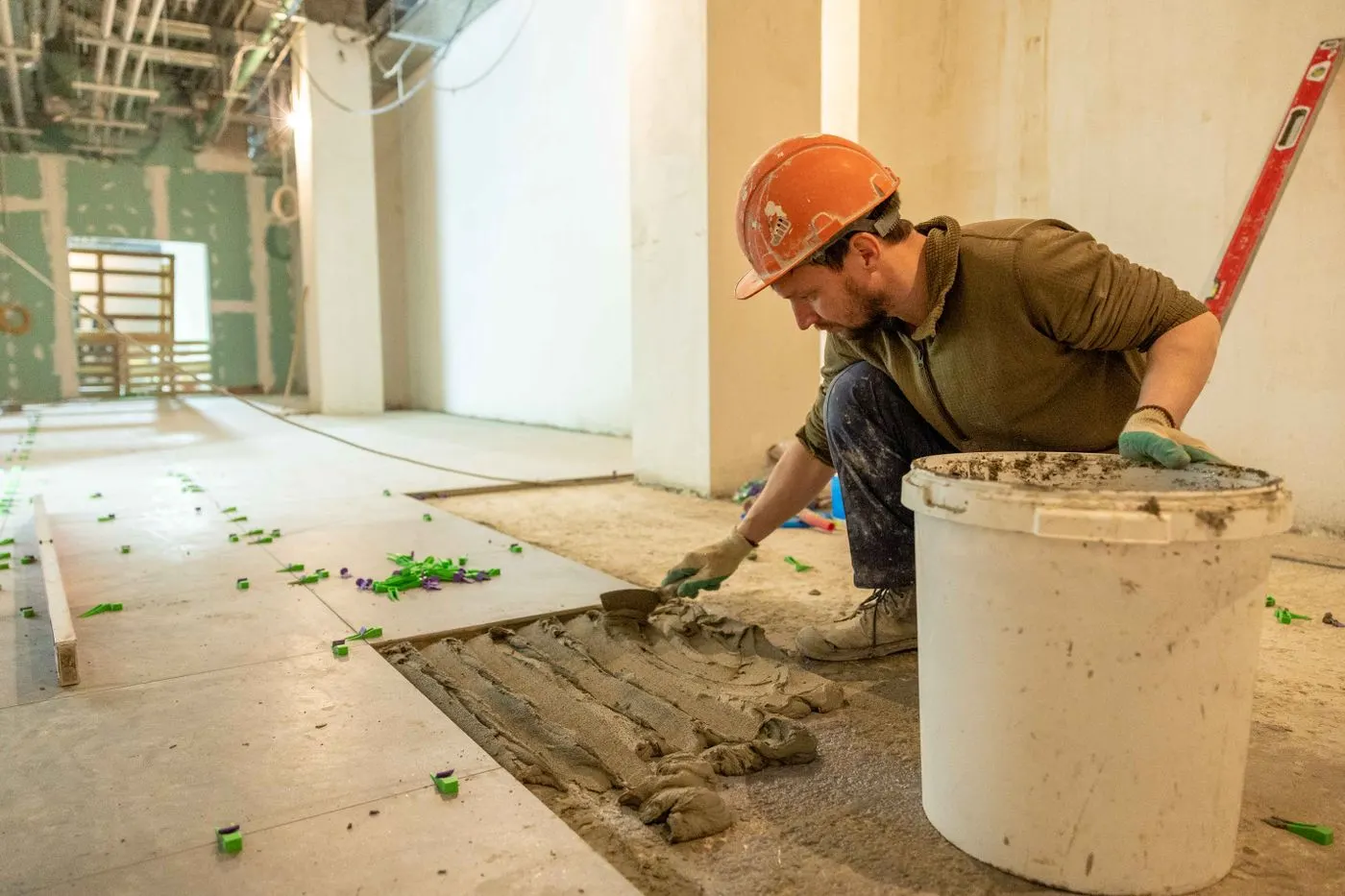
Bathroom tile
Floor tile, shower walls and wainscot.
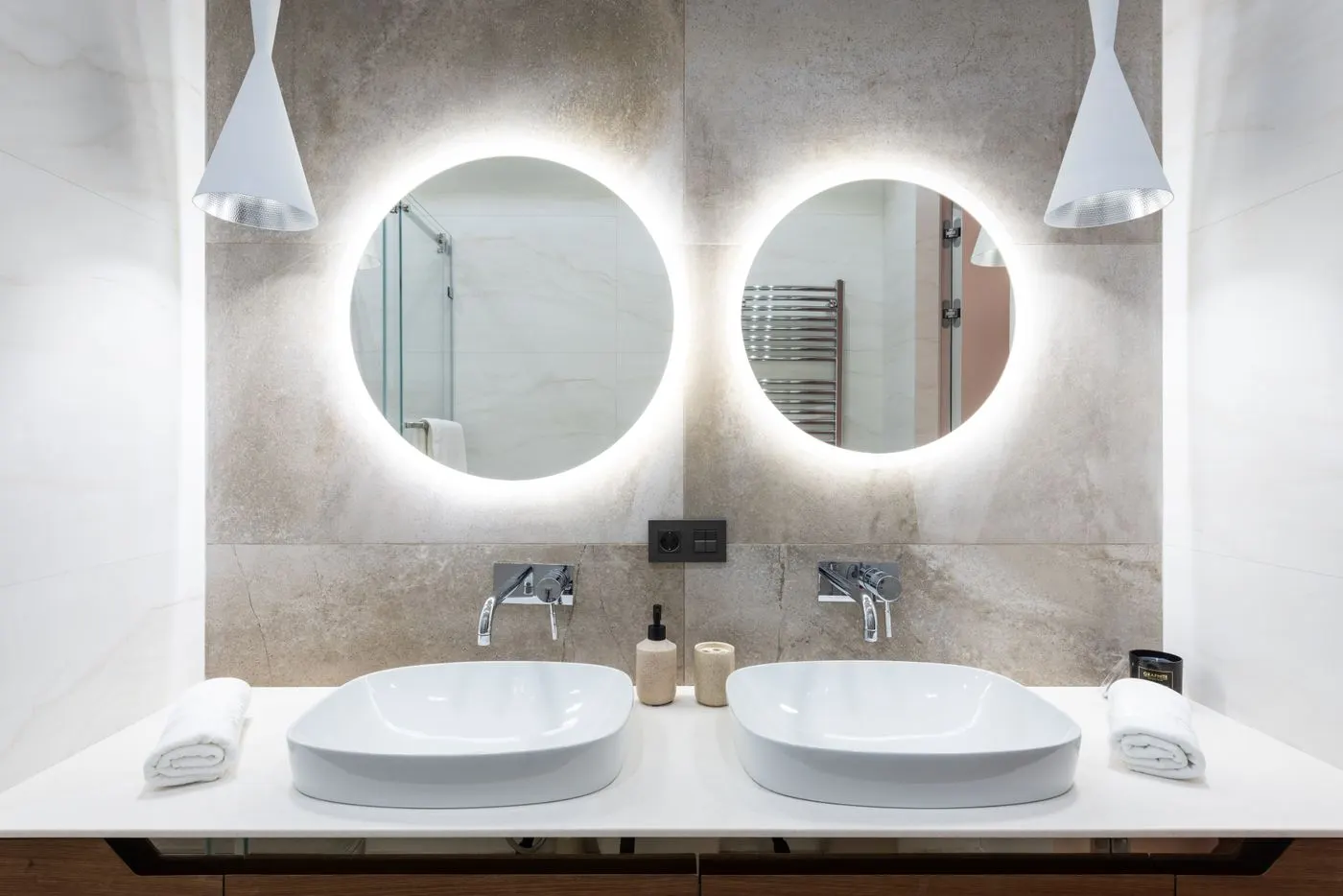
Bathroom vanities
Single and double vanities, tops and faucets.
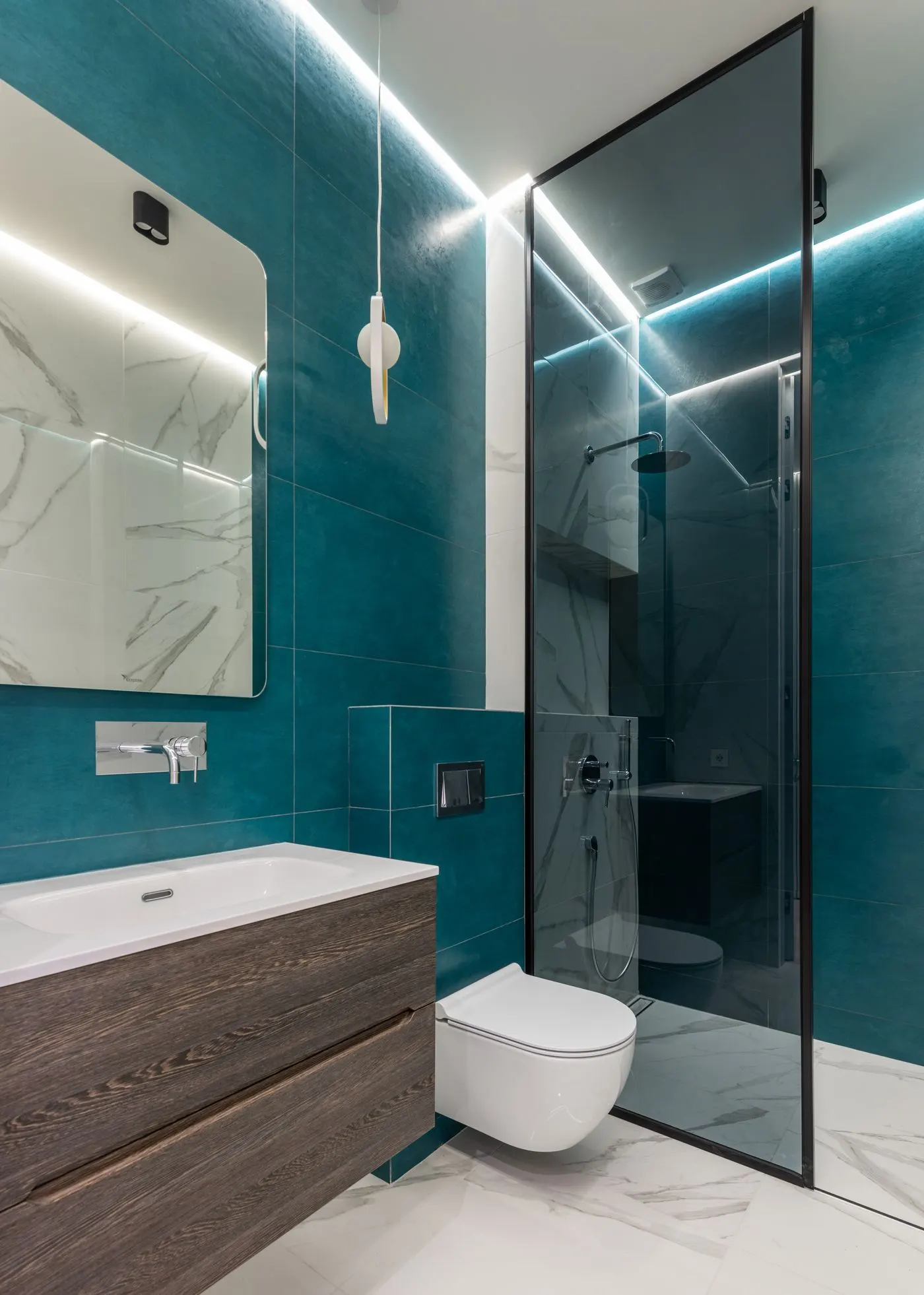
Aging-in-place bathrooms
Safer bathrooms for staying in your home longer.
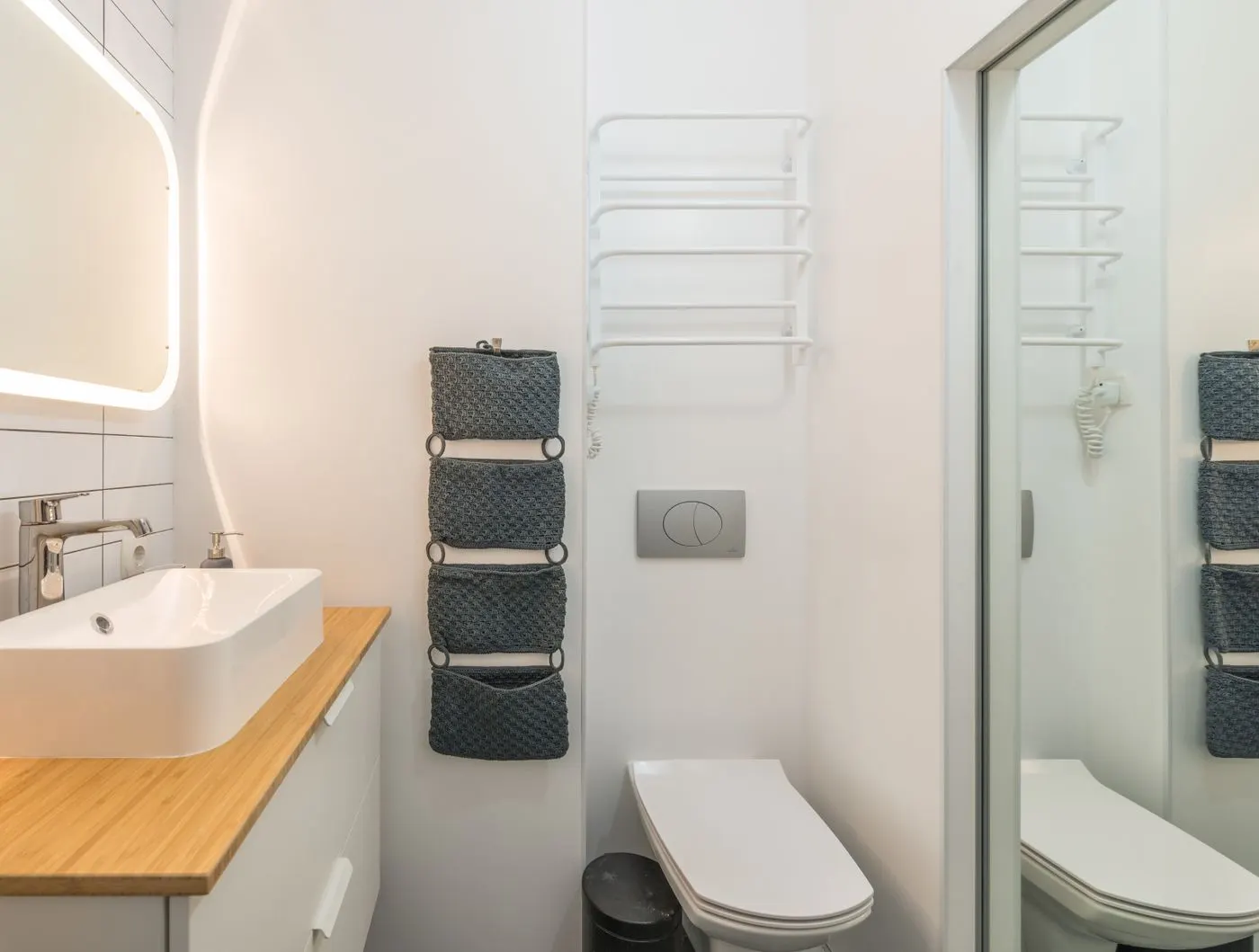
Powder rooms and half baths
Half baths refreshed or added.