Why the bathroom comes first
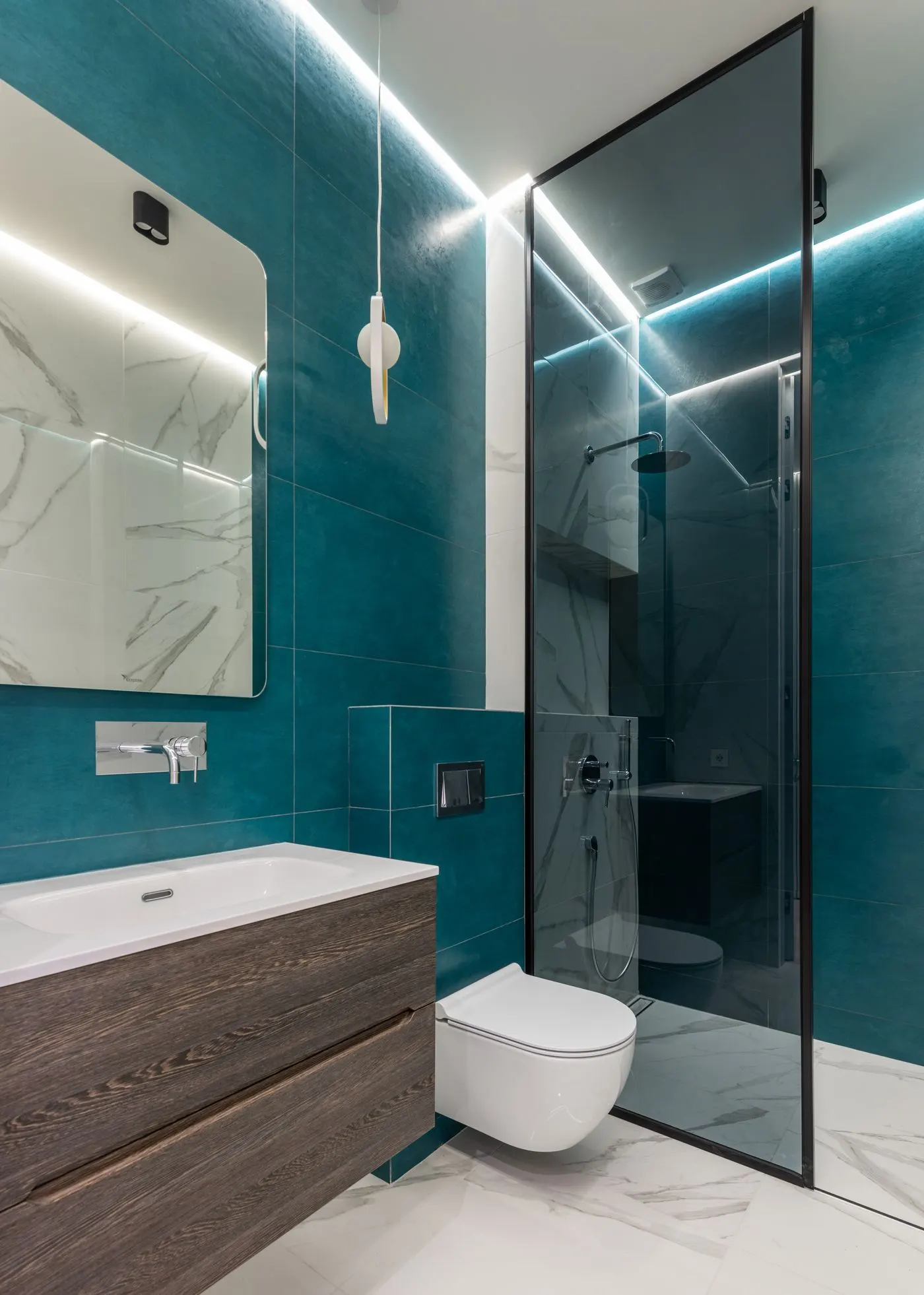
The bathroom has hard surfaces, water on the floor and the most stepping, sitting and turning of any room in the house. For many people who want to stay in their own home as they get older, it is the first room to update. Some changes are small. Others are part of a larger remodel.
Common updates
The list below covers the changes contractors are asked about most. Several can be done in a day or two. A new shower with a low or no curb takes longer and usually means new tile and plumbing.
- Grab bars anchored into framing at the toilet and shower
- A low-entry or curbless shower in place of a tub
- A built-in or fold-down shower seat
- A handheld shower on an adjustable bar
- A comfort-height toilet
- Lever faucets and handles
- Slip-resistant tile and good, even lighting
Hillside homes and second floors
Many Ossining homes sit on hillsides, with steps up from the street and bedrooms on the second floor. If stairs are becoming hard, some families look at adding or updating a bathroom on the main floor instead of upgrading the upstairs one. That is a bigger project, often involving a new drain line and possibly a permit, but it can make the house work for years longer. A contractor can tell you whether there is a practical spot for it.
Space to move
Walkers and wheelchairs need room to turn and a clear path to the toilet and shower. Older bathrooms often have narrow doors. A pocket door, swing-clear hinges or a wider opening can help. A wall-hung vanity leaves knee space underneath. If an occupational therapist has assessed the home, share their notes with the contractor, since they often include exact heights and clearances.
Do it during a remodel if you can
If you are remodeling now, add wood blocking in the walls for future grab bars, choose a shower with a low entry and pick a comfort-height toilet. These cost little during a remodel and a lot more to add later.
Request an estimate
Small details make a big difference to daily use. Mount the shower valve close to the opening, so the water can be started and adjusted from outside the spray. Choose a valve with anti-scald protection. A contrasting tile at the shower edge helps with depth perception, and a motion-sensing night light makes the trip at 3 a.m. safer.
Use the estimate form and choose aging-in-place bathrooms. Tell us what is hardest today and who will use the room. A local contractor will reach out to look at the space and suggest options.
Accessibility costs in Westchester
Published ranges from Trusted Local Contractors. Not quotes.
| Item | Typical range |
|---|---|
| Bathroom accessibility work | about $2,700 to $15,000 or more |
| Comfort-height toilet, installed | about $200 to $500 |
| Tub to shower conversion | about $3,000 to $20,000 |
Rounded published Westchester ranges, not quotes. Curbless showers, door widening and new main-floor bathrooms cost more.
Sources: Trusted Local Contractors
Questions homeowners ask
What does an aging-in-place bathroom cost?
Trusted Local Contractors puts bathroom accessibility work in Westchester at about $2,700 to $15,000 or more. Grab bars and a handheld shower cost far less than a new curbless shower.
Where should grab bars go?
Usually beside the toilet, at the shower entry and on the shower wall. An occupational therapist can recommend exact spots and heights for the person using them.
What is a comfort-height toilet?
A toilet with a seat a couple of inches higher than a standard one, which makes sitting and standing easier. Trusted Local Contractors puts one at about $200 to $500 installed in Westchester.
Other services
Bathroom remodeling
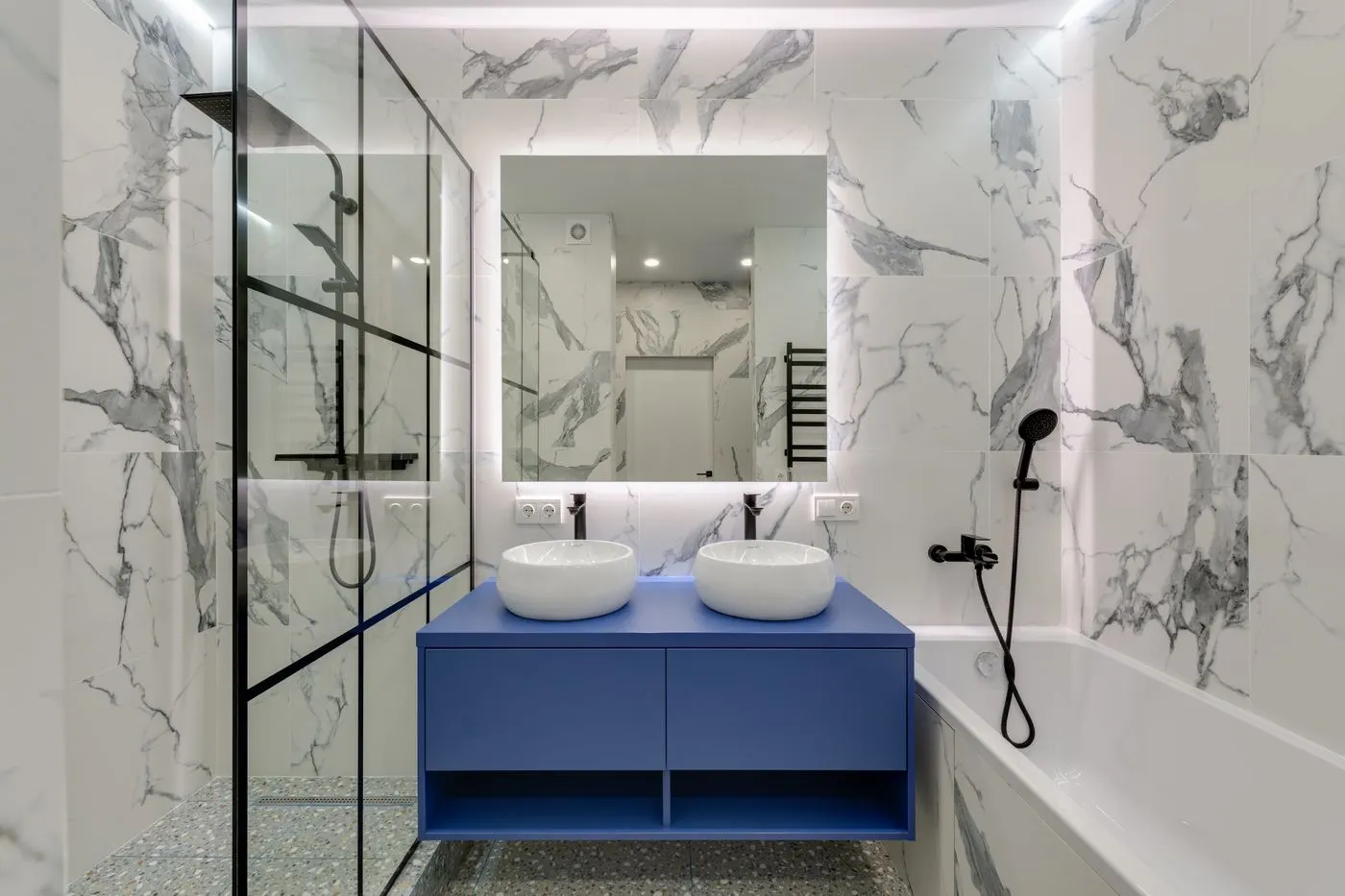
Full gut renovations and layout changes, start to finish.
Walk-in showers
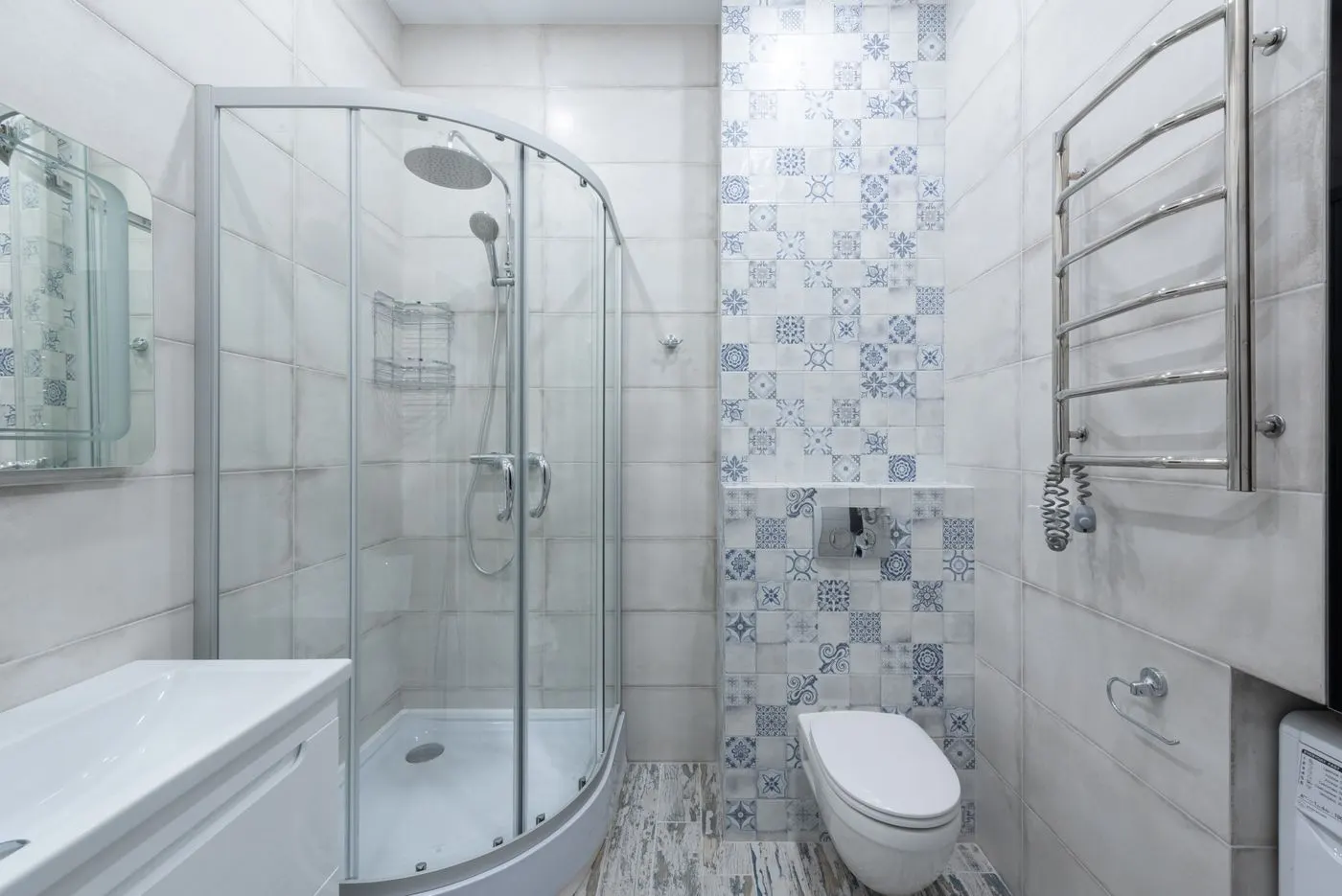
Tiled walk-in showers and tub to shower conversions.
Bathtub replacement
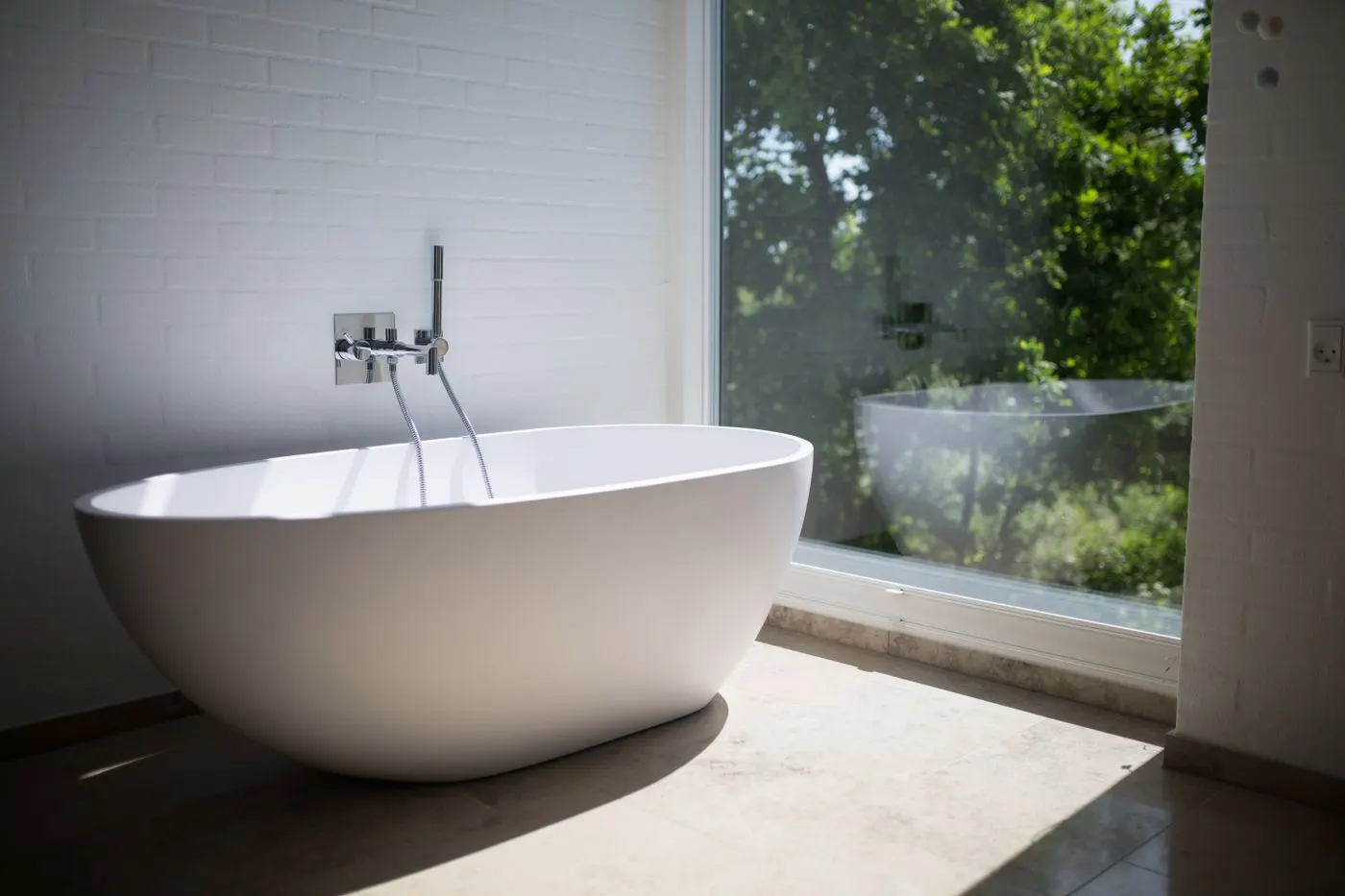
New alcove, soaking and freestanding tubs.
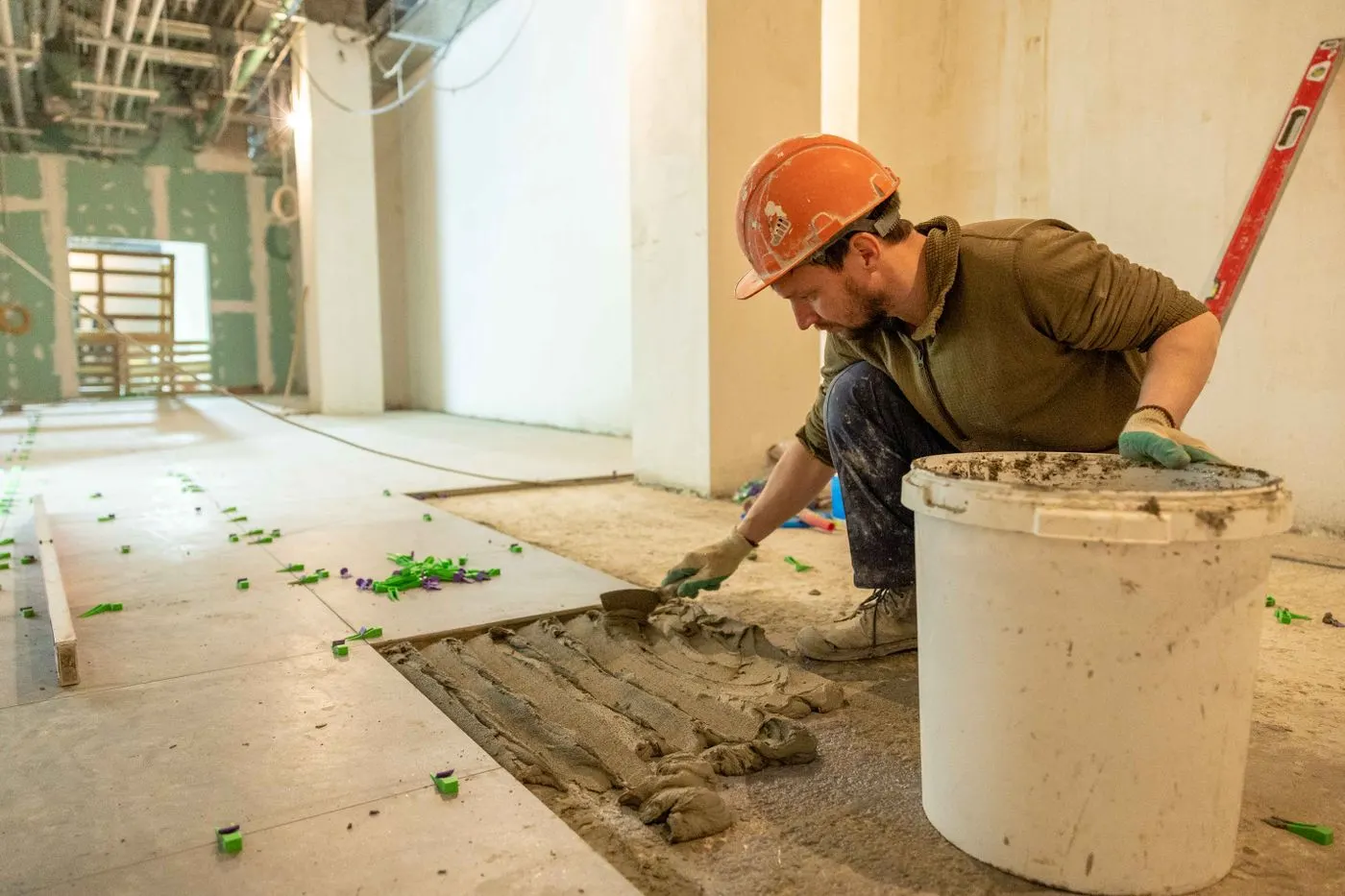
Bathroom tile
Floor tile, shower walls and wainscot.
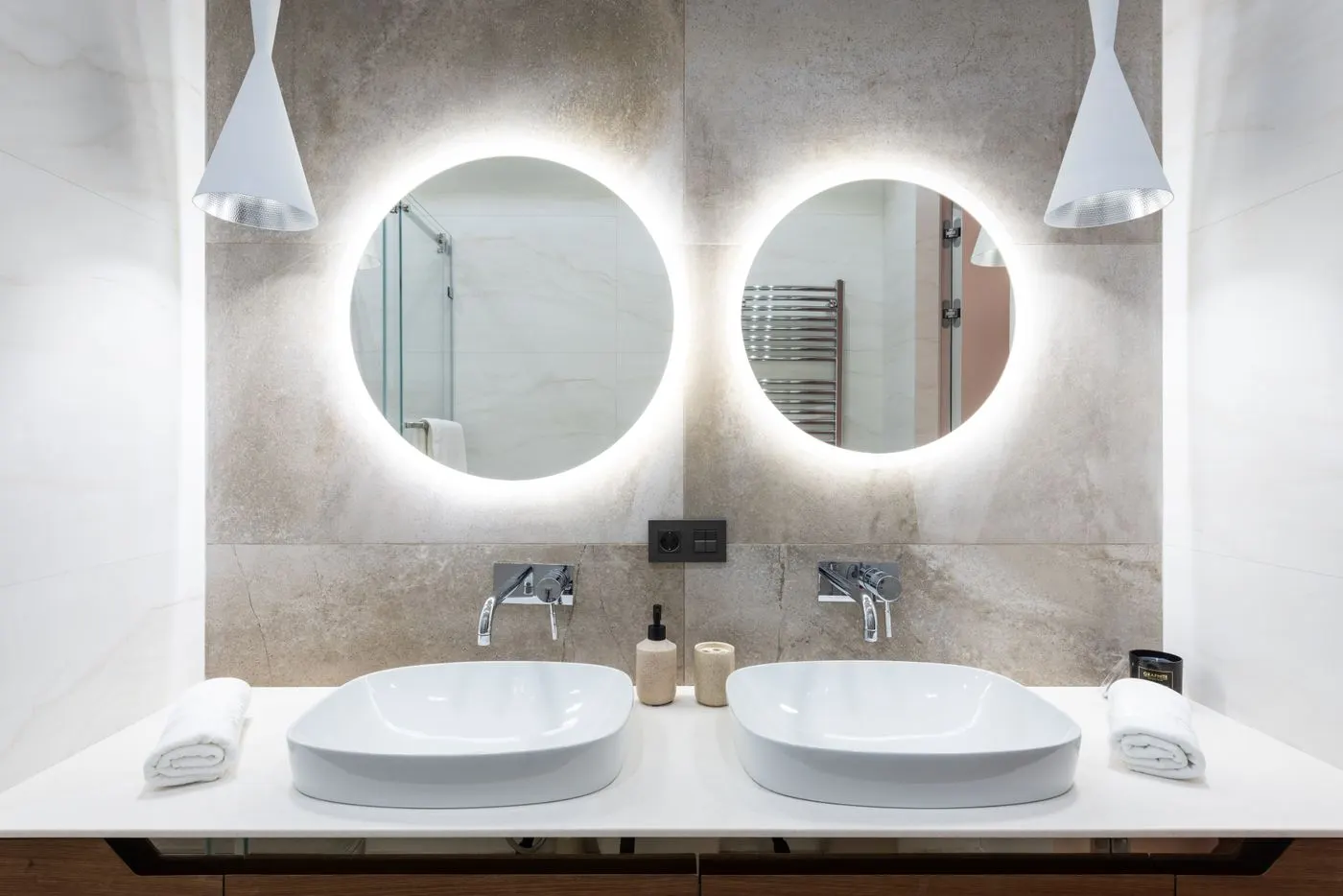
Bathroom vanities
Single and double vanities, tops and faucets.
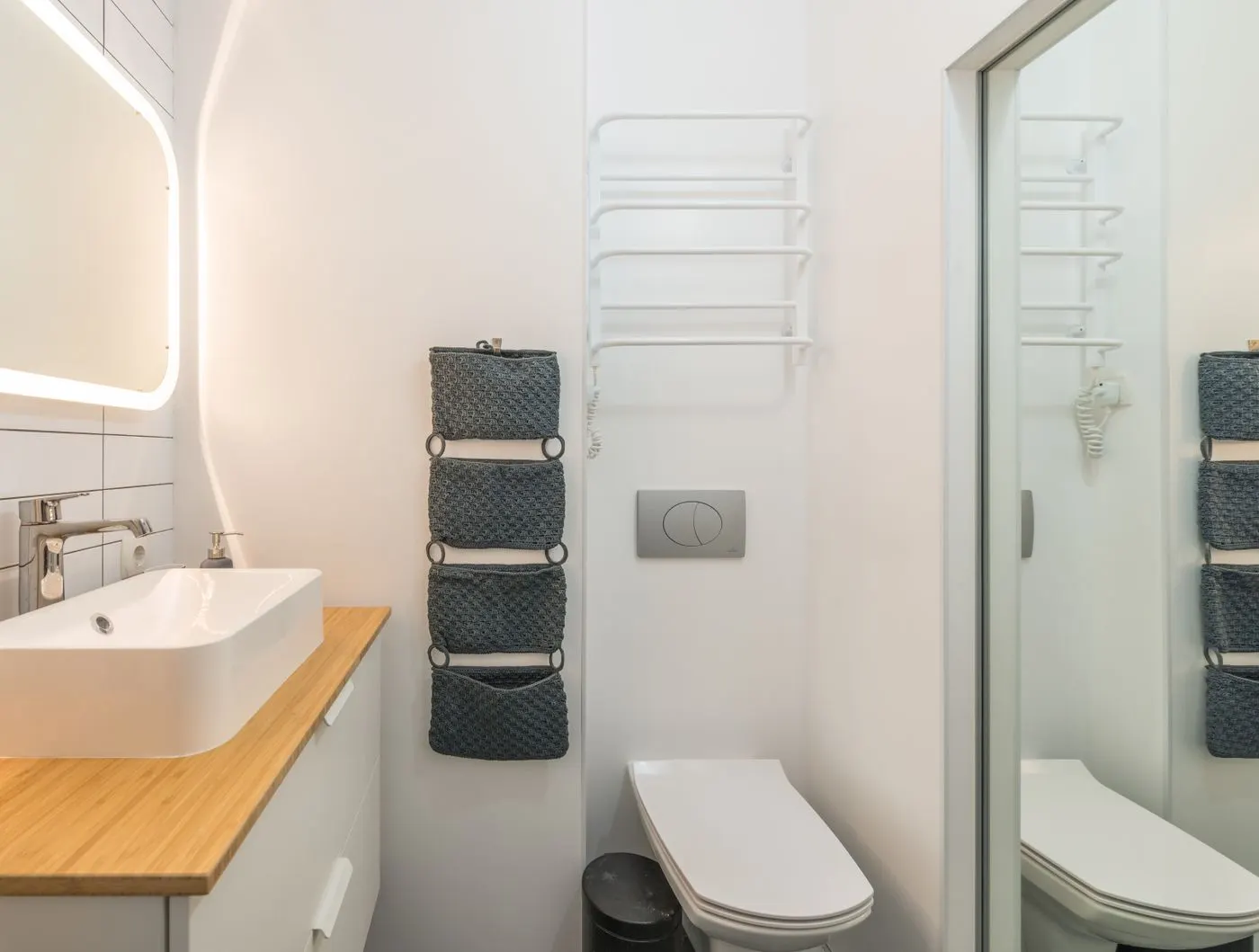
Powder rooms and half baths
Half baths refreshed or added.